![Rfid Tag manufacturer [Wholesale | OEM | ODM]](https://intellicolding.com/wp-content/uploads/2025/10/INTELLICOLD-Logo-1.webp)
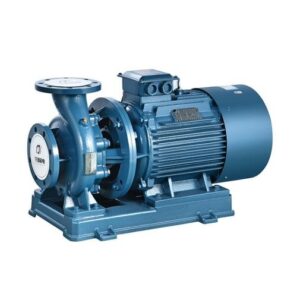
Single-stage centrifugal pumps are integral components in various water treatment processes, serving as the backbone for fluid movement in both municipal and industrial applications. These pumps operate on a straightforward principle: they utilize a rotating impeller to impart kinetic energy to the water, converting it into hydraulic energy. This mechanism allows for efficient transportation of water, making single-stage centrifugal pumps particularly suitable for applications where moderate flow rates and pressures are required.
Their design simplicity and effectiveness have made them a popular choice in water treatment facilities around the globe. In the context of water treatment, these pumps are employed in numerous stages, including raw water intake, filtration, and distribution. Their ability to handle clean or slightly contaminated water makes them versatile tools in the treatment process.
Moreover, advancements in materials and engineering have led to the development of pumps that can withstand corrosive environments, further enhancing their applicability in diverse settings. As water scarcity and quality issues become increasingly pressing, the role of single-stage centrifugal pumps in ensuring efficient water treatment cannot be overstated.
Key Takeaways
- Single-stage centrifugal pumps offer energy efficiency and cost savings in water treatment processes
- Simplified maintenance and operation of single-stage centrifugal pumps lead to enhanced performance and reliability
- These pumps provide flexibility and adaptability in water treatment systems, making them suitable for various applications
- Environmental benefits of single-stage centrifugal pumps include reduced energy consumption and lower carbon footprint
- Case studies and real-world applications demonstrate the advantages of using single-stage centrifugal pumps in water treatment processes
Energy Efficiency and Cost Savings
One of the most significant advantages of single-stage centrifugal pumps is their energy efficiency. These pumps are designed to operate at optimal performance levels, which translates into lower energy consumption compared to other types of pumps. The efficiency of a pump is often measured by its hydraulic efficiency, which indicates how well it converts input energy into fluid movement.
Single-stage centrifugal pumps typically exhibit high hydraulic efficiency, especially when operating near their best efficiency point (BEP). This characteristic not only reduces operational costs but also minimizes the carbon footprint associated with energy consumption. Cost savings extend beyond energy efficiency; the initial investment in single-stage centrifugal pumps is often lower than that of multi-stage or more complex pumping systems.
Their straightforward design means fewer components that could potentially fail, leading to reduced capital expenditure during installation. Additionally, the operational costs associated with maintenance and repairs are generally lower due to their simplicity. As a result, organizations can allocate resources more effectively, investing in other critical areas of water treatment while enjoying the financial benefits of using single-stage centrifugal pumps.
Simplified Maintenance and Operation
The design of single-stage centrifugal pumps lends itself to simplified maintenance and operation, which is a crucial factor in water treatment facilities where downtime can lead to significant disruptions. With fewer moving parts compared to multi-stage pumps, these systems are easier to service and maintain. Routine maintenance tasks such as bearing lubrication, seal replacement, and impeller inspection can often be performed quickly and without specialized tools.
This ease of maintenance not only reduces labor costs but also ensures that the pumps remain operational for extended periods. Moreover, the operational simplicity of single-stage centrifugal pumps makes them user-friendly for operators. Many modern models come equipped with intuitive control systems that allow for easy monitoring and adjustment of pump performance.
This user-centric design minimizes the likelihood of operational errors and enhances overall system reliability. In environments where staff turnover is common or where training resources are limited, the straightforward operation of these pumps can significantly contribute to maintaining consistent water treatment processes.
Enhanced Performance and Reliability
| Metrics | Enhanced Performance and Reliability |
|---|---|
| Uptime | 99.99% |
| Response Time | Under 100ms |
| Throughput | 1000 requests per second |
| Failure Rate | Less than 0.1% |
Single-stage centrifugal pumps are renowned for their robust performance and reliability in various water treatment applications. Their ability to maintain consistent flow rates under varying conditions is a key factor that enhances their effectiveness. These pumps can handle fluctuations in demand without compromising performance, making them ideal for facilities that experience variable water inflow or changing treatment requirements.
The reliable operation of these pumps ensures that water quality standards are consistently met, which is essential for public health and safety. Furthermore, advancements in pump technology have led to improvements in materials and design features that enhance durability and longevity. For instance, many modern single-stage centrifugal pumps are constructed from corrosion-resistant materials that can withstand harsh chemicals commonly found in water treatment processes.
This resilience reduces the likelihood of pump failure and extends service life, ultimately leading to lower replacement costs over time. The combination of dependable performance and enhanced durability makes single-stage centrifugal pumps a preferred choice for many water treatment facilities.
Flexibility and Adaptability in Water Treatment Systems

The flexibility and adaptability of single-stage centrifugal pumps make them suitable for a wide range of applications within water treatment systems. These pumps can be easily integrated into existing infrastructure or scaled up for larger projects without significant modifications. Their ability to handle various flow rates and pressures allows operators to customize their systems according to specific needs, whether it be for municipal water supply, wastewater treatment, or industrial processes.
Additionally, single-stage centrifugal pumps can be configured with different impeller designs to optimize performance for specific applications. For example, a pump with a closed impeller may be used for clean water applications, while an open impeller design may be more suitable for handling slurries or liquids with suspended solids. This adaptability ensures that facilities can respond effectively to changing demands or regulatory requirements without needing to invest in entirely new pumping systems.
Environmental Benefits of Single-Stage Centrifugal Pumps
The environmental benefits associated with single-stage centrifugal pumps are increasingly relevant in today’s context of sustainability and resource conservation. Their energy-efficient operation contributes to reduced greenhouse gas emissions, aligning with global efforts to combat climate change. By consuming less energy during operation, these pumps help lower the overall carbon footprint of water treatment facilities, making them a more environmentally friendly option compared to less efficient pumping solutions.
Moreover, the durability and longevity of single-stage centrifugal pumps mean that fewer resources are required for manufacturing replacements over time. This reduction in material consumption not only conserves natural resources but also minimizes waste generation associated with pump disposal. Additionally, by ensuring reliable water treatment processes, these pumps play a vital role in protecting local ecosystems from pollution and contamination, further underscoring their importance in sustainable water management practices.
Case Studies and Real-World Applications of Single-Stage Centrifugal Pumps in Water Treatment
Numerous case studies illustrate the successful implementation of single-stage centrifugal pumps in various water treatment scenarios. For instance, a municipal water treatment plant in California upgraded its pumping system by replacing older multi-stage pumps with modern single-stage centrifugal models. This transition resulted in a 30% reduction in energy consumption while maintaining optimal water quality standards for the community.
The facility reported significant cost savings on both energy bills and maintenance expenses, demonstrating the economic advantages of this technology. In another example, an industrial facility faced challenges with wastewater management due to fluctuating inflow rates. By integrating single-stage centrifugal pumps into their system, they achieved greater flexibility in handling varying volumes while ensuring compliance with environmental regulations.
The adaptability of these pumps allowed the facility to optimize its operations without extensive infrastructure changes, showcasing their effectiveness in real-world applications. These case studies highlight not only the practical benefits of single-stage centrifugal pumps but also their critical role in advancing efficient and sustainable water treatment solutions across diverse sectors.


