![Rfid Tag manufacturer [Wholesale | OEM | ODM]](https://intellicolding.com/wp-content/uploads/2025/10/INTELLICOLD-Logo-1.webp)
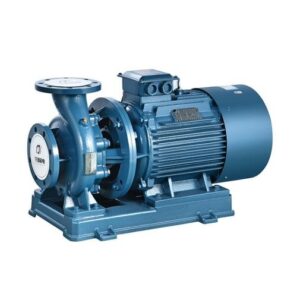
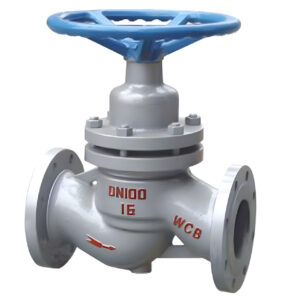
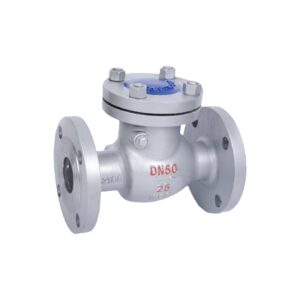
Single-stage pumps are a type of centrifugal pump that is designed to move fluids through the transfer of rotational energy from one or more driven rotors, known as impellers. These pumps are widely used in various industries and applications due to their simplicity and efficiency. Unlike multi-stage pumps, which have multiple impellers, single-stage pumps have only one impeller, making them suitable for applications where high flow rates are required at low to moderate pressure.
Single-stage pumps work by converting mechanical energy from a motor into kinetic energy in the fluid being pumped. The rotating impeller accelerates the fluid, increasing its velocity and pressure as it moves through the pump casing. This kinetic energy is then converted back into pressure energy as the fluid exits the pump through the discharge outlet.
The design of single-stage pumps allows for easy installation and maintenance, making them a popular choice for many pumping applications.
Key Takeaways
- Single-stage pumps are simple and cost-effective, making them ideal for a wide range of applications.
- These pumps work by using a single impeller to create pressure and move fluid, making them efficient for low to moderate pressure applications.
- Advantages of single-stage pumps include their simplicity, low cost, and ease of maintenance, while disadvantages include limited pressure capabilities and efficiency for high-pressure applications.
- Single-stage pumps are commonly used in industries such as agriculture, water treatment, and HVAC systems, as well as in residential and commercial settings.
- When choosing a single-stage pump, it’s important to consider factors such as flow rate, pressure requirements, and the type of fluid being pumped, as well as to ensure proper maintenance and troubleshooting to prolong the pump’s lifespan.
The Basics of Single-Stage Pumps: How They Work and What Sets Them Apart
One of the key features that sets single-stage pumps apart from multi-stage pumps is their simplicity. With only one impeller, these pumps have fewer moving parts, resulting in lower maintenance requirements and reduced chances of mechanical failure. Additionally, single-stage pumps are known for their high flow rates and are ideal for applications where a continuous and steady flow of fluid is required.
These pumps are commonly used in industries such as agriculture, water treatment, HVAC systems, and general water transfer applications. Their ability to handle large volumes of fluid at relatively low pressures makes them suitable for tasks such as irrigation, drainage, and circulation. Single-stage pumps are also used in industrial processes where the transfer of liquids or slurries is necessary.
Advantages and Disadvantages of Single-Stage Pumps
One of the main advantages of single-stage pumps is their simplicity, which translates to lower initial costs and easier maintenance. Their ability to handle high flow rates makes them suitable for applications where large volumes of fluid need to be moved efficiently. Additionally, single-stage pumps are often more energy-efficient compared to multi-stage pumps, especially in applications where high pressure is not a requirement.
However, single-stage pumps also have limitations. Due to their design, they are not well-suited for applications that require high discharge pressures. In such cases, multi-stage pumps with multiple impellers may be more appropriate.
Additionally, single-stage pumps may not be as efficient in applications where the required pressure exceeds their design limitations.
Applications of Single-Stage Pumps: Where and How They Are Used
| Industry | Application | Usage |
|---|---|---|
| Water Treatment | Water supply and distribution | Used to pump water from reservoirs to treatment plants and then distribute it to homes and businesses |
| Agriculture | Irrigation | Utilized for pumping water from wells or rivers to irrigate farmland |
| Chemical Processing | Chemical transfer | Commonly used to transfer various chemicals within processing plants |
| Oil and Gas | Hydrocarbon transfer | Used for transferring crude oil, refined products, and natural gas within facilities |
| Power Generation | Cooling water circulation | Applied for circulating cooling water in power plants to maintain optimal operating temperatures |
Single-stage pumps find widespread use in various industries and applications. In the agricultural sector, these pumps are utilized for irrigation, drainage, and water transfer. They are also commonly employed in municipal water supply systems, wastewater treatment plants, and HVAC systems for building cooling and heating.
Furthermore, single-stage pumps are used in industrial processes such as chemical processing, food and beverage production, and general fluid transfer applications. Their ability to handle large volumes of fluid at relatively low pressures makes them suitable for tasks such as water circulation in ponds and lakes, as well as in firefighting equipment. In the mining industry, single-stage pumps are used for dewatering operations and slurry transfer.
Their versatility and efficiency make them a popular choice across a wide range of applications.
Choosing the Right Single-Stage Pump for Your Needs
When selecting a single-stage pump for a specific application, several factors need to be considered. These include the required flow rate, discharge pressure, fluid properties, operating conditions, and system compatibility. It is essential to match the pump’s performance characteristics with the demands of the application to ensure optimal efficiency and reliability.
Additionally, factors such as material compatibility, corrosion resistance, and environmental considerations should be taken into account when choosing a single-stage pump. Consulting with a pump specialist or engineer can help in selecting the most suitable pump for a particular application, taking into consideration factors such as system design, installation requirements, and long-term maintenance needs.
Maintenance and Troubleshooting Tips for Single-Stage Pumps
Proper maintenance is crucial for ensuring the reliable operation of single-stage pumps. Regular inspection of components such as impellers, casings, bearings, and seals is essential to identify any signs of wear or damage. Lubrication of bearings and regular alignment checks can help prevent premature failure and extend the pump’s service life.
In terms of troubleshooting, common issues with single-stage pumps may include cavitation, overheating, loss of prime, or reduced flow rates. Understanding the root causes of these problems and addressing them promptly is essential to prevent further damage to the pump and associated equipment. Following manufacturer recommendations for maintenance intervals and procedures is key to keeping single-stage pumps operating at peak performance.
The Future of Single-Stage Pump Technology: What to Expect
As technology continues to advance, the future of single-stage pump technology holds promise for further improvements in efficiency, reliability, and environmental sustainability. Innovations in materials, design optimization, and digital monitoring systems are expected to enhance the performance and longevity of single-stage pumps. Furthermore, advancements in variable speed drives and control systems will enable more precise control over pump operation, leading to greater energy savings and reduced operational costs.
Integration of smart technologies for remote monitoring and predictive maintenance will also play a significant role in ensuring the continued evolution of single-stage pump technology. In conclusion, single-stage pumps play a vital role in various industries and applications due to their simplicity, efficiency, and versatility. Understanding their basic principles of operation, advantages, limitations, and maintenance requirements is essential for selecting the right pump for specific needs and ensuring reliable performance over time.
With ongoing technological advancements, the future holds exciting possibilities for further enhancing the capabilities of single-stage pumps in meeting the evolving demands of modern pumping applications.


