![Rfid Tag manufacturer [Wholesale | OEM | ODM]](https://intellicolding.com/wp-content/uploads/2025/10/INTELLICOLD-Logo-1.webp)
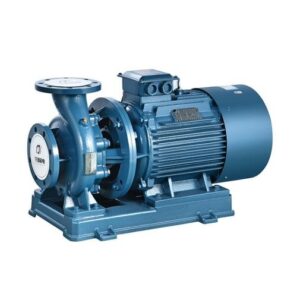
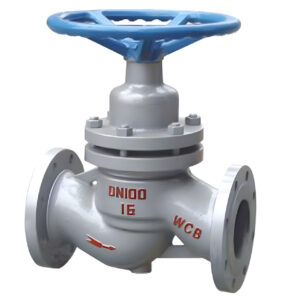
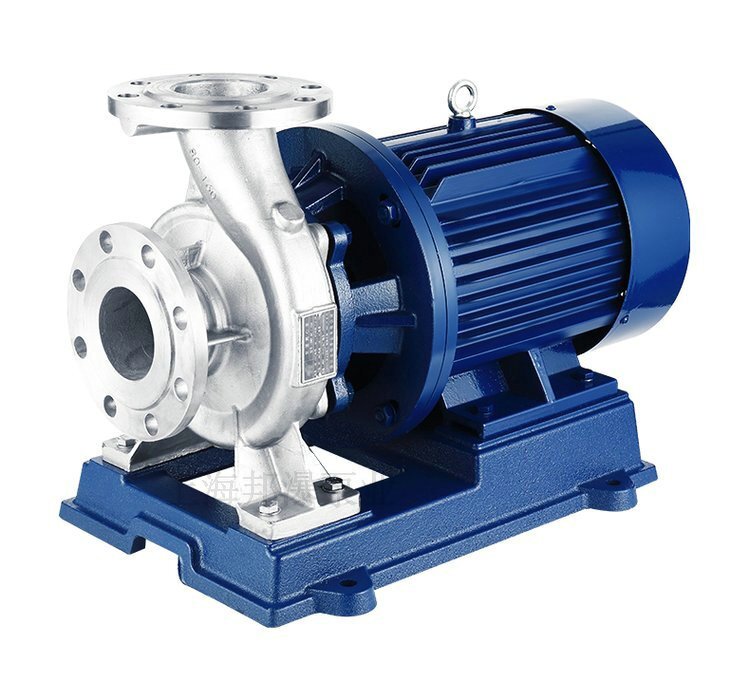
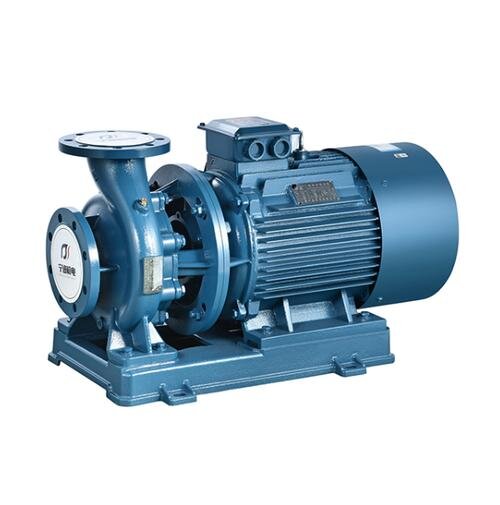
In fluid transportation scenarios such as industrial production, municipal water supply, and building HVAC, single-stage horizontal water pumps have become the preferred equipment in many industries due to their strong adaptability and reliable operation. It achieves high-efficiency head with a single-stage impeller design, and its horizontal installation structure is suitable for various working conditions. It can not only meet the requirements of continuous operation but also reduce operation and maintenance costs. It is a fluid transportation solution that combines performance and practicality.
I. Core Advantage: Hard power verified by data
The advantages of the single-stage horizontal water pump are not just empty talk but are quantified manifestations based on structural design and technological upgrades. The key highlights are as follows:
- High efficiency and energy conservation, reducing operating costs: By adopting an optimized hydraulic model, the impeller efficiency can reach 82%-88%, saving 10%-15% energy compared with traditional similar water pumps. Taking a 15kW device as an example, if it operates continuously for 20 hours a day, it can save approximately (15×10%×20×365×0.8) ≈ 8,760 yuan in electricity fees each year (calculated at an industrial electricity price of 0.8 yuan per kilowatt-hour), and its long-term cost performance is outstanding.
- Stable and durable with a low failure rate: The main shaft is forged from high-quality 45 # carbon steel and is equipped with a double-end face mechanical seal, featuring excellent sealing performance with a leakage rate of ≤0.01ml/min. After third-party testing, the continuous operation time without failure can reach over 8,000 hours, far exceeding the industry average of 5,000 hours, reducing downtime for maintenance losses.
- Flexible installation and wide adaptability: The horizontal structure does not require a special foundation and occupies only 60% of the area of a vertical water pump of the same power. It can be directly installed on the ground or a simple bracket. The head range covers 10 to 120 meters, and the flow rate is 10 to 500m³/h. It can be adapted to various scenarios such as industrial cooling circulation, urban secondary water supply, and agricultural irrigation.
- Convenient maintenance, time and labor-saving: With a detachable pump cover and modular design, the core components (impeller, sealing parts) can be disassembled without moving the pump body, reducing maintenance time to less than 30 minutes. Compared with traditional water pumps, it saves more than 50% of maintenance hours.
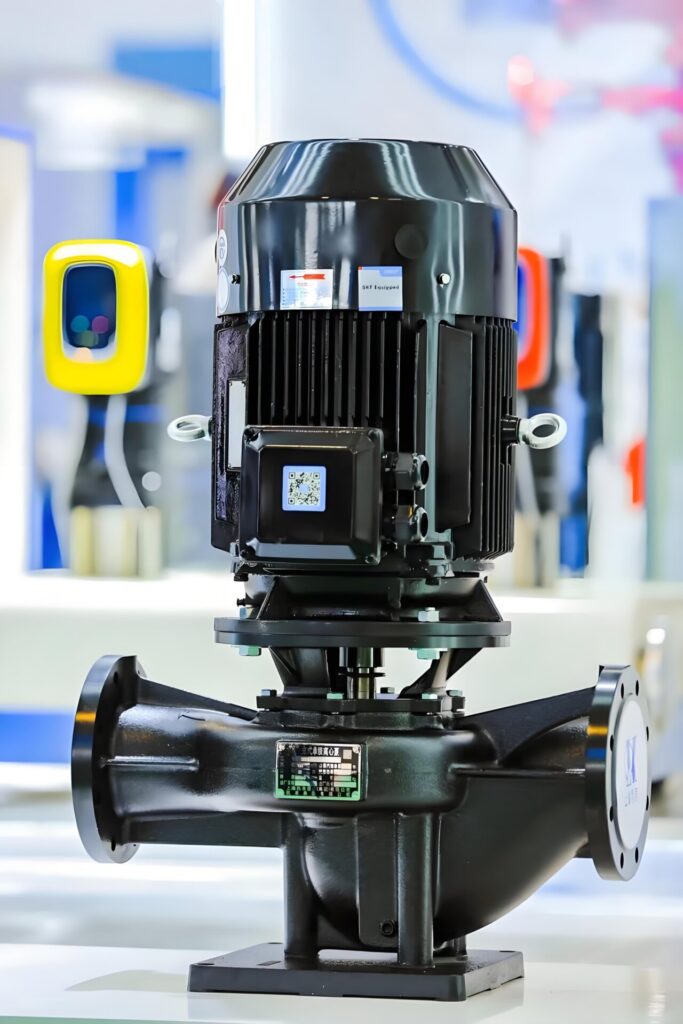
Ii. Operation: Three steps to get started, standardized operation for greater peace of mind
The operation process of the single-stage horizontal water pump is simple and easy to understand. By following the standardized steps of “installation – start-up – operation and maintenance”, stable operation can be ensured.
1.Installation preparation
- Select a flat and well-ventilated installation site, fix the pump body base (with a bolt tightening torque of ≥25N · m), and ensure that the coaxiality deviation between the pump shaft and the motor shaft is ≤0.1mm.
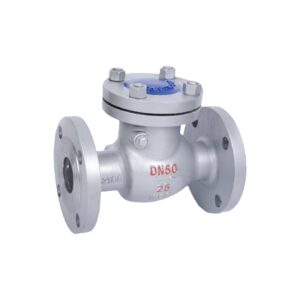
- Connect the inlet and outlet water pipelines. The pipe diameter should match the pump port diameter (error ≤5%), and install check valves and filters (filtration accuracy ≤0.5mm) to prevent impurities from entering the pump body.
- Check the lubricating oil level (the oil level should be at the center line of the oil window), and inject 32# or 46# anti-wear hydraulic oil to ensure that the bearings are fully lubricated.
2.Startup and Operation
- Before the first start-up, open the exhaust valve to release the air inside the pump body, close the outlet valve, and after starting the motor, slowly open the outlet valve to adjust to the required flow rate (monitored by the pressure gauge and flow meter).
- During operation, observe the equipment parameters: the vibration velocity of the pump body ≤2.8mm/s, the motor temperature ≤85℃, and the operating noise ≤75dB (A). If any abnormality occurs, stop the machine immediately for inspection.
- When operating normally, it is recommended to control the flow rate within the range of 70% to 110% of the rated flow rate. At this time, the efficiency of the water pump is the highest and the energy consumption is the lowest.
3.Daily maintenance and shutdown
- Daily inspection: Check the oil level, sealing condition, inlet and outlet pressure, and record the operating parameters; Clean the filter screen of the filter every week to prevent clogging.
- Regular maintenance: Change the lubricating oil after 2,000 hours of operation, check the wear of the impeller after 5,000 hours, and replace the mechanical seal after 8,000 hours.
- Shutdown operation: First, close the outlet valve, then cut off the power supply, and drain the fluid in the pump body (in winter, it needs to be completely drained to prevent cracking due to freezing).
Iii. Data and Cases: Real Scenarios Verify Strength
Case 1: Renovation of the cooling circulation system in a certain chemical enterprise
- The original problem: The traditional water pump has high energy consumption (with a 22kW motor, it consumes 528 kilowatt-hours of electricity per day), generates a large operating noise (85dB), and frequently experiences seal leakage. The monthly maintenance cost exceeds 3,000 yuan.
- Solution: Replace three 15kW single-stage horizontal water pumps (model ISW125-160) with a head of 80m and a flow rate of 180m³/h.
- Implementation effect:
- Energy consumption reduction: Each unit consumes an average of 240 kilowatt-hours of electricity per day. With 3 units, the monthly electricity cost savings are approximately 20,736 yuan (528-240) ×3×30×0.8.
- Stability improvement: No seal leakage faults have occurred after 12 months of operation, and the maintenance cost has been reduced to less than 500 yuan per month.
- Environmental improvement: The operating noise has been reduced to 72dB, meeting the environmental protection standards of the workshop.
Case 2: Application in Municipal Secondary Water Supply Projects
- Project requirements: To provide stable water supply for 1,000 households in a certain community, with a head of 90 meters and a flow rate of 250 cubic meters per hour, and it needs to operate continuously for 24 hours.
- Solution: Select two ISW150-200 single-stage horizontal water pumps (one in use and one as backup), and equip them with an intelligent control cabinet to achieve automatic switching.
- Implementation effect
- Stable water supply: Water pressure fluctuation ≤0.02MPa, user water usage experience improved, complaint rate dropped to 0;
- Significant energy saving: With a motor power of 22kW, it consumes an average of 528 kilowatt-hours of electricity per day. Compared with traditional water pumps of the same flow rate, it saves approximately 3,000 yuan in electricity fees each month.
- Convenient operation and maintenance: The modular design extends the maintenance cycle to 8 months, saving 60% of the annual operation and maintenance costs.
Iv. Conclusion: Choose the right water pump to make fluid transportation more efficient
Single-pole horizontal water pumps, with their core advantages of “high efficiency and energy conservation, stability and durability, and convenient operation”, have demonstrated strong practicality in industrial, municipal, construction and other fields. Whether it is to reduce operating costs, minimize maintenance troubles, or adapt to complex working conditions, it can prove its own value through quantified data and real cases.
If your project requires a fluid transfer device that combines performance and cost-effectiveness, the INTELLICOLD single-stage horizontal water pump is undoubtedly an excellent choice.


